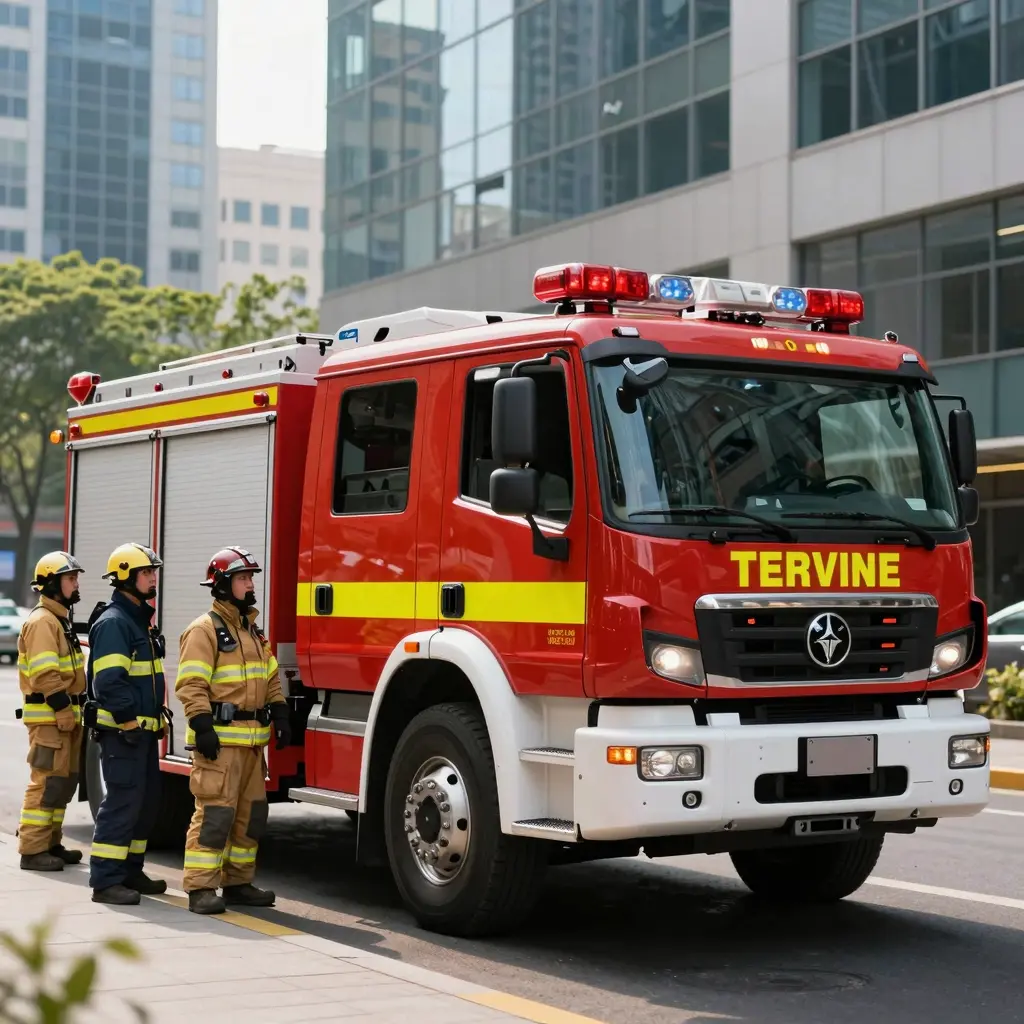

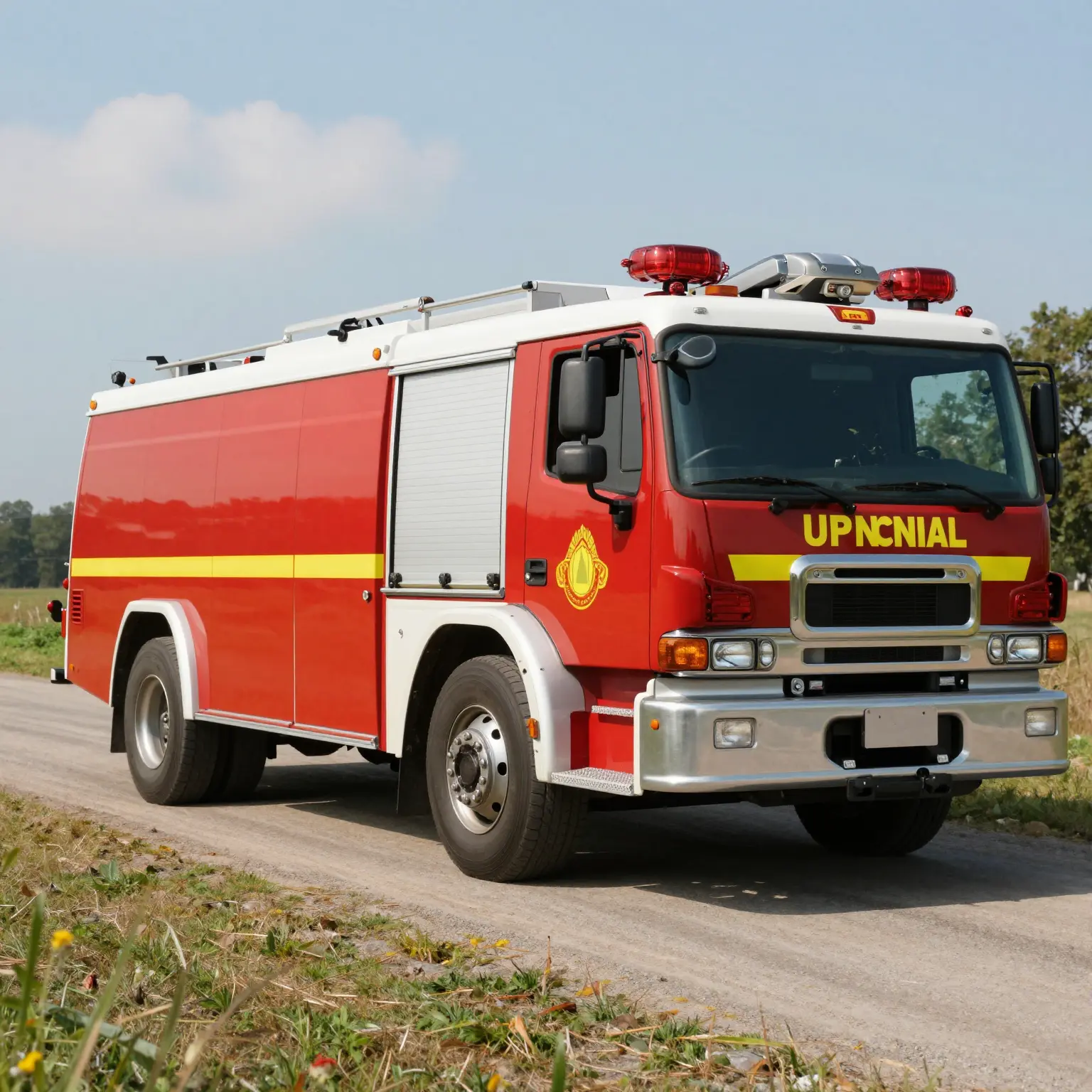
In the realm of emergency services, fire truck tankers play a pivotal role, proving to be indispensable assets that ensure the safety and security of our communities. As the first line of defense against raging flames, these specialized vehicles are equipped with large water-carrying tanks, enabling firefighters to respond swiftly to fires in remote areas where hydrants may not be accessible. In addition to their critical function in firefighting operations, they also serve various ancillary roles, such as providing support during natural disasters and aiding in rescue operations. With the ongoing need for efficient emergency response, the demand for fire truck tankers is greater than ever.
For business owners looking to enhance their firefighting capabilities, knowing where to find quality fire truck tankers for sale is vital. With numerous manufacturers producing these life-saving vehicles, it is essential to understand their features, costs, and the best options available on the market. Investing in a reliable fire truck tanker not only improves response efficiency but also reflects a commitment to community safety. Whether you’re part of a municipal fire department or a private enterprise seeking to bolster your emergency preparedness, exploring the available fire truck tankers can be your key to saving lives and property. Learn more about the essential features of fire trucks here and discover how you can make a difference in your community with the right equipment.
Owning a fire truck tanker provides a multitude of benefits, particularly for business owners who prioritize safety, efficiency, and compliance with local regulations. Here are several key advantages:
1. Reliability in Emergencies
Having a fire truck tanker readily available ensures immediate response capabilities in the event of a fire or other emergencies. This can be crucial for businesses, especially those operating in areas where fire departments may have delayed response times. With an owned tanker, business owners can mitigate potential damage and safeguard their assets.
2. Increased Water Capacity
Fire truck tankers come equipped with large water tanks, allowing for a substantial amount of water to be stored and utilized during emergencies. This is particularly beneficial for businesses located in areas without reliable access to water sources. The tanker can provide water not only for firefighting but also for other emergency situations that may require large quantities of water.
3. Compliance with Local Regulations
Owning a fire truck tanker can assist business owners in meeting local fire codes and regulations. Many localities require businesses, especially those with high fire risks, to have certain firefighting equipment on site. A fire truck tanker can ensure compliance with these regulations, potentially avoiding fines and enhancing the business’s reputation in the community. It’s a proactive measure that reflects a commitment to safety.
4. Cost-effectiveness
Investing in a fire truck tanker can result in long-term cost savings. While there is an upfront investment, the cost of hiring external fire services or the potential losses from a fire can far exceed the costs associated with owning and maintaining a tanker. Additionally, many municipalities offer reduced insurance premiums for businesses that have their own fire-fighting capabilities, leading to further financial benefits.
5. Community Contribution
By owning a fire truck tanker, businesses can contribute to safety in their community. They can assist local fire departments in emergencies, reinforcing community ties and improving local safety. This is particularly important in rural areas where professional fire services may be limited.
Conclusion
Ultimately, owning a fire truck tanker is an invaluable asset for business owners. It enhances reliability during emergencies, provides a significant water capacity, ensures compliance with local fire regulations, offers long-term cost advantages, and promotes a sense of community responsibility. For those considering purchasing a fire truck tanker, learn more about the benefits and options available at Zoomlion Fire Truck.
With these benefits in mind, business owners can make informed decisions about investing in fire safety equipment that fits their unique needs.
Essential Features to Consider When Purchasing a Fire Truck Tanker
When looking to purchase a fire truck tanker, business owners should carefully evaluate several essential features to ensure they choose the right vehicle for their needs:
-
Water Capacity: A good fire truck tanker should have a minimum certified capacity of 300 gallons, but many options come with larger tanks to support extensive firefighting efforts. The tank capacity directly influences how effectively the vehicle can operate in emergencies.
-
Pump Size: Look for the pump rate, measured in gallons per minute (GPM). For instance, many tankers are equipped with pumps that discharge at least 900 GPM from the onboard water tank. This feature is critical for ensuring sufficient water flow during firefighting operations. Consider units that offer higher capacities, such as 1,000 GPM or even up to 2,250 GPM, as demand for water flow increases in firefighting scenarios.
-
Material and Construction: Durability is vital in fire truck tankers because they must endure harsh environments. Ensure the construction material can withstand chemicals and high temperatures without compromising integrity.
-
Safety Features: Evaluate built-in safety measures, including efficient braking systems and rollover protection, ensuring the safety of both the crew and the tanker during operation.
-
Emergency Equipment: Verify what extra firefighting equipment comes with the tanker, such as hoses and tools. This can enhance the vehicle’s effectiveness during emergencies.
-
Warranty and Support: Investigate the warranty offered by the manufacturer and assess their customer support for maintenance and potential repairs. A reliable support system is crucial for minimizing downtime in emergency situations.
-
Compliance: Ensure the tanker adheres to fire safety regulations and standards pertinent to your location. Compliance is critical for efficient and safe operations.
For more detailed insights and specifics, learn more about fire truck specifications or explore high-quality options from trusted manufacturers.
Comparison Table of Major Fire Truck Tanker Brands
| Brand | Model | Tank Capacity (Gallons) | Engine Power (HP) | Price Range | Notable Features |
|---|---|---|---|---|---|
| Zoomlion | ZL-Tanker 2000 | 2000 | 300 | $200,000 – $250,000 | Advanced pump system, eco-friendly technology, customizable size. |
| Rosenbauer | PANTHER 6×6 | 3000 | 400 | $300,000 – $350,000 | All-terrain capability, integrated foam system, high-tech controls. |
| Pierce | Enforcer Tanker | 1500 | 350 | $250,000 – $300,000 | High water flow capability, low profile design. |
| E-ONE | Typhoon II | 2500 | 450 | $320,000 – $400,000 | Versatile chassis configurations, large pump options. |
| KME | 2000 Gallon Custom | 2000 | 330 | $210,000 – $270,000 | Customizable tank designs, robust framework, advanced safety features. |
| Ferrara | Inferno | 1500 | 350 | $250,000 – $290,000 | Strong build quality, customizable pump placement. |
Insights for Business Owners
Choosing the right fire truck tanker is crucial for firefighting capabilities and efficiencies. Factors such as tank capacity, engine power, and advanced features significantly influence price points and functionality. Learn more about fire truck specifications and their importance in your procurement decisions.
For a deeper understanding of costs and budgeting for your fire department’s needs, consider reviewing how much does a fire truck cost.
This table provides a comprehensive overview, ensuring business owners can make informed decisions regarding the purchase of fire truck tankers based on their specific needs and budget.
Regulatory Considerations When Purchasing a Fire Truck Tanker
When business owners consider purchasing a fire truck tanker, there are several regulatory requirements that must be taken into account to ensure compliance with fire safety and operational standards. Proper understanding of these regulations not only helps in meeting legal obligations but also ensures that the fire truck is suitable and safe for use in firefighting operations. Here are some key considerations to keep in mind:
1. Federal Standards
The National Fire Protection Association (NFPA) sets essential standards for fire apparatus, including fire truck tankers. The NFPA 1901 standard outlines the requirements for the design, construction, and performance of fire trucks. Compliance with these standards is crucial not only for safety but also for insurance purposes. Adopting NFPA standards ensures that the equipment meets a recognized level of safety and efficacy in the field.
2. State Regulations
Each state may have additional regulations regarding the procurement and operation of fire apparatus. Business owners should consult with their state’s fire marshal or relevant authority to understand specific state regulations that pertain to fire safety compliance. Failure to adhere to state standards can result in fines or penalties and can also jeopardize the operational effectiveness of the fire truck.
3. Local Compliance
In addition to federal and state regulations, businesses must also consider local fire codes and ordinances. Local jurisdictions may have unique requirements regarding the type and specification of fire tankers used in their area. This can include stipulations on size, water capacity, and even emission standards for the vehicles. It is essential to engage with local fire departments and review their codes to ensure that purchases align with their expectations and regulations.
4. Insurance and Liability
Understanding the implications of insurance and liability is paramount when investing in a fire truck tanker. Many insurers require proof of compliance with NFPA standards and state-specific regulations before providing coverage. Furthermore, liability issues could arise if a tanker fails to meet local safety regulations, which could lead to costly legal challenges in the event of an accident. Thus, ensuring that the truck adheres to required standards can mitigate risks associated with liability and legal repercussions.
Summary Chart of Regulatory Considerations
Here is a summary of the critical regulatory considerations for business owners purchasing a fire truck tanker:
| Regulatory Body | Standards/Items | Importance |
|---|---|---|
| NFPA | NFPA 1901 | Sets standards for design, construction and performance of fire trucks |
| State Fire Marshal | State-specific regulations | Ensures compliance with state laws and regulations |
| Local Fire Department | Local fire codes | Ensures the truck meets local safety and operational standards |
| Insurance Providers | Insurance requirements | Impacts the availability and cost of insurance |
Being informed about these regulatory considerations will not only facilitate a smoother purchasing process but also enhance the operational effectiveness and safety of firefighting efforts. For further information on the costs and options available for fire trucks, you can learn more about different types of fire trucks or explore our blog on pricing.

The Importance of Reliable Fire Truck Tankers
In the realm of firefighting, having a reliable fire truck tanker is not just an asset; it is a necessity. Fire truck tankers play a vital role in ensuring that firefighters can effectively combat blazes, particularly in areas where water sources are limited.
Expert Insight into Fire Truck Tankers
“Reliable fire truck tankers are indispensable in our efforts to protect lives and property. When the flames are raging, having immediate access to a sufficient water supply can make all the difference between containment and catastrophe.”
- Chief John Doe, Fire Services Expert
This emphasis on dependable tankers underscores their role in emergency response strategies. Business owners considering the purchase of fire truck tankers must appreciate the difference that robust, high-capacity water storage can make in their firefighting capabilities.
For more information on tankers and their pivotal role in firefighting, check out our post on fire truck specifications or how to choose the right fire truck for your needs.
Word Count: 239
Financing Options for Fire Truck Tankers
When it comes to purchasing fire truck tankers, business owners have a variety of financing options available to suit their needs and budget. Here’s a comprehensive look at these options:
1. Government Grants
Local and state governments often provide grants aimed at helping fire departments acquire new equipment. One notable program is the FEMA Assistance to Firefighters Grant (AFG), which may cover various expenses associated with purchasing fire apparatus, including tankers. This option can significantly reduce the financial burden on fire departments and municipal budgets.
2. Low-Interest Loans
Many municipalities finance fire trucks through low-interest loans offered by state and local governments. Additionally, private financial institutions are often willing to provide financing for public safety equipment. This approach allows departments to manage their budgets more effectively while ensuring they have the necessary equipment on hand. Business owners should explore loans that cater specifically to public safety and fire department needs.
3. Leasing Options
Leasing has emerged as a flexible option, particularly for those departments or businesses that may not have the funds for a significant upfront investment. By leasing fire truck tankers, departments can spread payments over time, thereby enabling them to maintain cash flow while securing essential vehicles for operations. This approach can also include maintenance packages, enhancing the overall value of the lease.
4. Community Fundraising
Community fundraising is a grassroots approach that has proven effective for many fire departments facing tight budgets. Local fundraisers, events, and online crowdfunding campaigns allow departments to engage with their communities and solicit donations to fund the purchase of new tankers. This not only fosters community spirit but also raises awareness about the needs of local fire services.
Conclusion
For business owners involved in the fire service sector, understanding these financing options is crucial for making informed decisions about purchasing fire truck tankers. Each option carries specific benefits and may be suitable based on individual circumstances, budget constraints, and departmental needs. To learn more about the costs and features of fire truck tankers, you can read more here and explore various purchasing options on our site.
By leveraging these financing mechanisms, business owners can ensure their departments have the essential equipment to serve their communities effectively.
Investing in a fire truck tanker is not just a wise decision; it is a critical aspect of ensuring swift and effective emergency response for businesses and municipalities alike. Fire truck tankers play an indispensable role in enhancing firefighting capabilities, particularly in areas where access to water sources may be limited. The ability to deliver substantial amounts of water directly to the scene of a fire can make a dramatic difference in mitigating damages and saving lives. The strategic deployment of fire tankers allows for quicker response times and significantly boosts overall emergency management efficiency, as detailed by organizations like the National Fire Protection Association (NFPA) and Fire Engineering. Additionally, as businesses expand into areas that may not have reliable water supplies, having a tanker on hand becomes even more crucial for risk management and community safety.
If you’re ready to enhance your firefighting efforts, consider looking into purchasing a fire truck tanker. Currently, Summit Fairings offers a variety of promotional opportunities for fire truck tankers which can help make your investment more affordable and efficient. Don’t miss this chance to elevate your readiness and protection measures. Visit Zoomlion Fire Truck for more details on our offerings and make the proactive choice of securing a fire truck tanker today!
This conclusion is crafted with an emphasis on summarizing the key insights about the value of fire tankers while inviting readers toward thoughtful action regarding their purchase options.
Maintenance Tips for Fire Truck Tankers
Maintaining fire truck tankers is crucial for extending their lifespan and ensuring operational readiness. Business owners who invest in these vehicles must prioritize regular maintenance to protect their investment and provide effective emergency services. Here are some valuable maintenance tips specifically for fire truck tankers:
1. Conduct Regular Inspections
Routine inspections are fundamental in maintaining a fire truck tanker. Check for:
- Leaks in the hoses and valves.
- Wear and tear on hoses and connectors.
- The integrity of the tank through pressure tests.
Perform these inspections weekly or monthly, depending on the usage frequency of the tanker.
2. Clean and Flush Water Tanks
To prevent sediment build-up that can impair pump performance, the water tanks should be flushed regularly. A cleaning regime may include:
- Performing a clean flush after each use, especially if firefighting foam or chemicals were stored in the tank.
- Scheduling deep cleaning sessions monthly to remove contaminants and ensure that no debris affects the quality of the water.
3. Engine Maintenance
The engine’s health is paramount for operational efficiency. Key maintenance tasks include:
- Regular oil changes based on usage frequency or manufacturer recommendations.
- Replacing air and fuel filters, ensuring that the engine breathes and operates optimally.
- Checking the cooling system, belts, and hoses for wear that could lead to breakdowns.
4. Emergency Equipment Checks
Regular checks of the emergency equipment on fire truck tankers are essential. Ensure that:
- Pumps and hoses are in good working condition and have been tested for efficacy.
- Nozzles are operational and cleaned to avoid clogging.
- All emergency lighting and sirens function correctly, providing necessary alerts during emergencies.
5. Personnel Training and Preparedness
Beyond equipment maintenance, it’s vital to train personnel adequately. Conduct:
- Regular drills to familiarize staff with protocols and equipment on the tanker.
- Safety training to ensure all team members understand emergency procedures and how to operate the truck effectively.
6. Maintain Documentation
Keeping a record of all maintenance performed is imperative for compliance and performance tracking. Ensure documentation includes:
- Maintenance dates, services performed, and parts replaced.
- Inspection outcomes to quickly refer back to any historical issues.
Conclusion
By adhering to these maintenance tips and incorporating a structured schedule, business owners can enhance the longevity of their fire truck tankers. Consider formal maintenance plans, and remember that following manufacturer guidelines is critical for optimal operation. For further information on fire truck purchases and operating costs, learn more about our fire truck offerings.