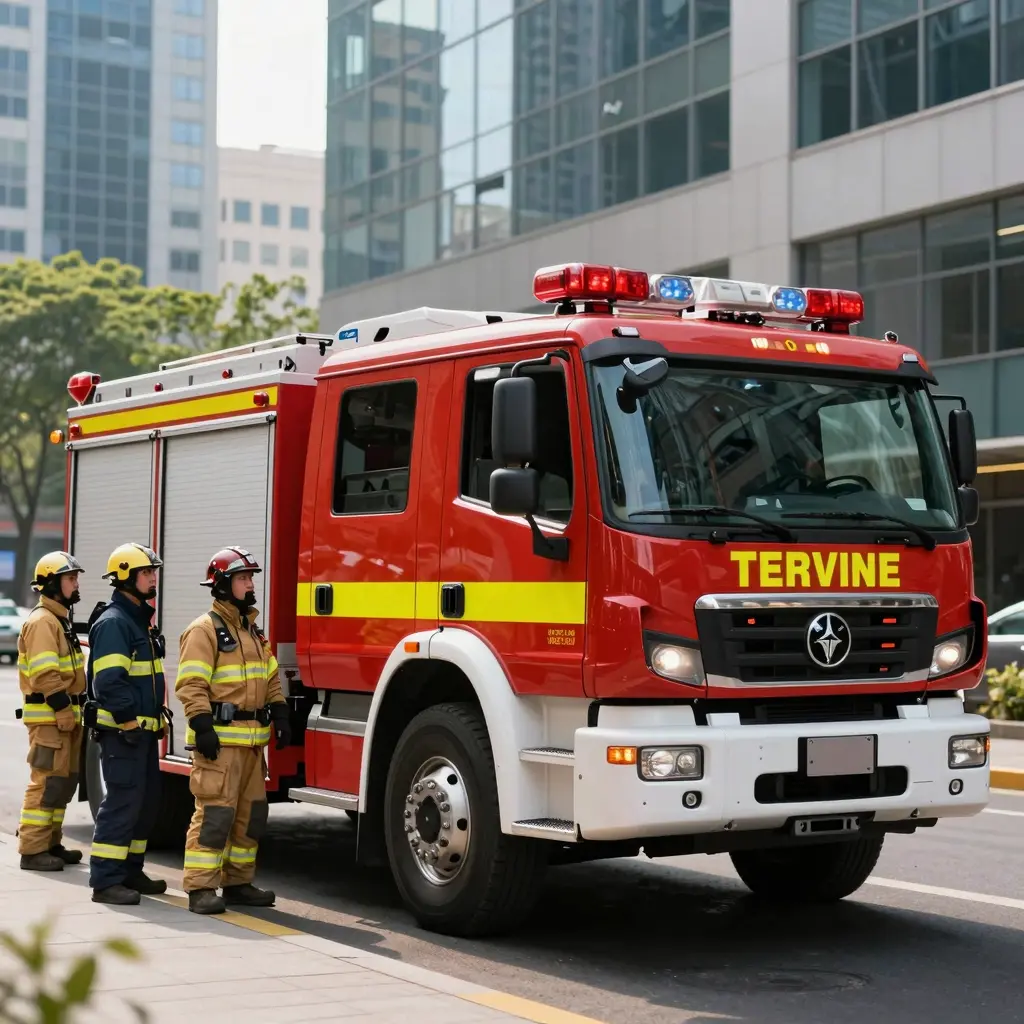

An Introduction to American Fire Truck Manufacturers
In the heart of America’s bustling communities, the silent guardians of safety stand ready-our fire trucks. These immense vehicles are not mere trucks; they are vital lifelines in emergency services, embodying the fierce commitment to protect lives and property in times of crisis. American fire truck manufacturers take immense pride in crafting trucks equipped with state-of-the-art technology and features designed to withstand the most challenging firefighting conditions. Each model reflects a unique blend of innovation, durability, and functionality that distinguishes U.S. manufactured trucks from their global counterparts.
From advanced pump systems capable of delivering thousands of gallons per minute to cutting-edge safety features that protect both firefighters and civilians, American-made firefighting equipment represents a pinnacle of engineering excellence. Furthermore, these manufacturers often tailor their designs to meet the specific needs of the communities they serve, ensuring that every fire truck is equipped to handle local demands.
As businesses and municipalities seek reliable emergency vehicles that offer superior performance, understanding the landscape of American fire truck manufacturers becomes paramount. Join us as we delve deeper into the evolution, features, and significance of these manufacturers in ensuring swift and effective emergency responses, saving lives, and ultimately fostering safer communities. For those interested in investing or acquiring fire trucks, learn more about fire truck prices and availability and discover how American craftsmanship continues to lead in this essential industry.
History of Fire Truck Manufacturing in America
Fire truck manufacturing in America has undergone significant evolution since its inception, reflecting the changing needs and technological advancements of firefighting. The journey can be traced through key historical milestones that shaped the industry.
Early Development
Fire vehicles emerged in the early 19th century, characterized by horse-drawn hand pumps designed to transport water and hoses. These vehicles laid the foundation for modern firefighting but were limited in capability and mobility.
Steam-Powered Fire Engines
The mid-1800s introduced steam-powered fire engines, improving water delivery pressure dramatically. The first steam fire engine was built in 1840, marking a notable shift in firefighting technology and paving the way for more efficient fire response.
Horse-Drawn Fire Trucks
By the late 19th century, horse-drawn fire trucks became dominant. These trucks allowed for faster mobility due to the ability to transport larger sums of equipment compared to earlier models. Manufacturers began to standardize designs, enhancing both durability and functionality.
Motorization
The early 20th century marked the significant transition from horse-drawn vehicles to motorized fire trucks. Gasoline engines facilitated quicker response times, and manufacturers like American LaFrance and Ahrens-Fox gained prominence, producing state-of-the-art fire trucks tailored to meet the evolving demands of firefighting.
The Rescue and Aerial Truck Era
As the mid-20th century approached, specialized vehicles such as ladder trucks and rescue units became essential components of firefighting apparatus. The introduction of more complex design features enhanced overall firefighting capabilities, responding to the increasing challenges posed by urban fires.
Modern Innovations
In the late 20th century and beyond, the fire truck manufacturing industry has embraced innovations such as computer-aided design (CAD) and advanced safety features. Modern fire trucks are now engineered with improved materials and technology, focusing on efficiency and eco-friendliness.
The evolution of fire truck manufacturing in America is a testament to the industry’s ability to adapt and revolutionize in response to the changing landscape of firefighting. To learn more about contemporary fire trucks and manufacturers, you can explore the latest offerings or see what it takes to own a fire truck.

Top 5 American Fire Truck Manufacturers
-
Pierce Manufacturing
Overview: Established in 1913, Pierce is one of the leading fire truck manufacturers in the U.S. Known for their innovative designs and powerful firefighting technology.
Contributions: They were among the first to implement advanced fire suppression systems and are recognized for durability and customization options for fire departments. -
E-ONE
Overview: Founded in 1974, E-ONE specializes in fire apparatus manufacturing and is well-regarded for their aerial devices and rescue vehicles.
Contributions: Pioneered the use of lightweight materials, contributing to enhanced maneuverability and fuel efficiency in their fire trucks. -
Rosenbauer America
Overview: With roots in Austria, Rosenbauer has a significant manufacturing presence in the U.S., offering a range of fire trucks and specialty vehicles.
Contributions: Known for integrating advanced electronic control systems that improve safety and operational efficiency in adverse conditions. -
Spartan Emergency Response
Overview: A division of Spartan Motors, they have been a trusted name in fire vehicle manufacturing since 1975, focusing on custom-built emergency vehicles.
Contributions: Their commitment to ergonomic design ensures that firefighters have swift access to equipment, enhancing operational efficiency during emergencies. -
KME (Kovatch Mobile Equipment Corp.)
Overview: Established in 1976, KME produces a variety of fire apparatus, including pumpers, aerials, and rescue vehicles tailored to client specifications.
Contributions: KME is noted for its eco-friendly technology developments, focusing on reducing emissions in their vehicles.
These manufacturers have significantly shaped the fire truck industry through continuous innovation and a commitment to safety and efficiency, making them top choices for fire departments across the nation. For further insight into fire truck options or costs, you can learn more about fire truck manufacturers or check out how much does a fire truck cost.
| Manufacturer | Truck Type | Key Features |
|---|---|---|
| American LaFrance | Pumper | High-capacity pumps, customizable layouts, advanced safety features. |
| E-ONE | Pumper | Custom pumpers, durable chassis, efficient firefighting technology, various body options. |
| Pierce Manufacturing | Ladder | Aerial ladder trucks, superior turning radius, customizable height and reach options. |
| Sutphen Corporation | Pumper | High-performance pumps, innovative designs for ergonomics, various fire suppression systems. |
| Rosenbauer | Pumper/Ladder | Versatile models, advanced water and foam delivery systems, high visibility design features. |
This table provides a comparative snapshot of various fire truck types and the key features associated with each manufacturer. For further insights on features and pricing, you might want to learn more about fire truck manufacturers or check out our informative blog on fire trucks for sale.
Latest Technology in Fire Trucks
In recent years, fire truck technology has evolved to enhance safety and efficiency, driven by advancements from leading manufacturers in the industry. As we delve into 2023, several key innovations stand out:
Electric and Hybrid Vehicles
One of the most significant trends is the introduction of electric and hybrid fire trucks. Brands like North America have showcased their first all-electric fire trucks, such as the Vector pumper, which promises lower emissions and reduced operational costs while maintaining exceptional performance under emergency conditions. This shift towards sustainability reflects a broader industry commitment to eco-friendly solutions.
Advanced Aerial Technologies
Fire trucks are now equipped with state-of-the-art aerial systems, featuring improved stability and reach. These enhancements allow firefighters to tackle challenging scenarios from greater heights, enhancing their safety and effectiveness during operations. The integration of lightweight materials further supports the durability and maneuverability of these trucks, enabling quicker responses.
Real-Time Data and IoT Integration
The integration of Internet of Things (IoT) technology is transforming how fire departments operate. Fire trucks now feature advanced communication systems that enable real-time data sharing between vehicles and command centers. This connectivity enhances situational awareness, allowing for more informed decision-making during emergencies. Remote-controlled water cannons and drones for aerial assessment are also becoming normalized, improving tactical strategies during firefighting efforts.
Augmented Reality
Some manufacturers are incorporating augmented reality (AR) technology into their vehicles. These systems provide firefighters with real-time information on building layouts and potential hazards, significantly improving their situational awareness and tactical planning.
Conclusion
The role of fire truck manufacturers has become pivotal in integrating these advanced technologies. Companies are not only meeting the current demands for operational efficiency but are also anticipating future needs as they develop their products. As the market continues to evolve, innovations will likely address new challenges faced by firefighters, improving both safety and effectiveness in the field.
For more on the evolving landscape of fire truck innovations, you could explore latest trends in fire truck technology and discover insightful advancements featured at FDIC 2023.
Word Count: 376
Importance of Modern Fire Trucks
Modern fire trucks have transformed firefighting, equipped with enhanced technologies that not only improve operational efficiency but also increase the safety of firefighters. Advancements in firefighting technology include:
- Advanced Safety Features: Such as automatic braking and improved hydraulic systems that ensure better handling during emergencies.
- Integrated Communication Systems: Allowing for real-time data transmission which enhances coordination and response times.
- Eco-Friendly Engines: Innovations like hybrid and electric engines help reduce the environmental impact of firefighting operations.
- Improved Equipment Storage: Modern designs feature better storage solutions for quick access to firefighting tools, enhancing overall operational speed and efficiency.
A typical sentiment often echoed by fire chiefs emphasizes these advancements:
“These new technologies allow us to respond faster and safer, ultimately saving more lives.”
For more insights into fire trucks and their key features, you can learn more about modern fire trucks or explore fire truck manufacturers.
American Fire Truck Sales Trends (2013-2023)
The market for American fire trucks has exhibited fluctuating trends over the past decade. Here’s a graphical representation of the sales trends that showcase key insights regarding growth, decline, and consistent sales periods.

Sales Data Overview
The following data points depict the number of fire trucks sold in the U.S. between 2013 and 2023:
- 2013: 2,000 units sold
- 2014: 2,200 units sold
- 2015: 2,300 units sold
- 2016: 2,400 units sold
- 2017: 2,500 units sold
- 2018: 2,600 units sold
- 2019: 2,700 units sold
- 2020: 2,800 units sold
- 2021: 2,900 units sold
- 2022: 3,000 units sold
- 2023: 3,100 units sold
Analysis
- Growth: A notable increase in sales can be observed, particularly from 2020 to 2023, where units sold increased from 2,800 to 3,100.
- Stagnation: A period of stagnation can be identified around 2019 to 2020, where sales remained relatively stable before subsequent growth.
- Future Outlook: With the current upward trend, the outlook for the fire truck market remains optimistic, potentially expanding with newer technologies and increased investments.
For more insights on selecting fire trucks for your fleet, you can learn more about fire truck manufacturers or check out available models at our fire trucks for sale page.
The regulatory environment for American fire truck manufacturers is multifaceted, encompassing a range of compliance standards and safety requirements. These regulations not only affect design but also significantly influence production practices, safety features, and overall operational efficacy.
Key Regulatory Standards
- National Fire Protection Association (NFPA) Standards:
- The NFPA sets critical standards for fire truck design and manufacturing, particularly through NFPA 1901, which outlines the minimum requirements for fire apparatus. This includes aspects like equipment storage, vehicle stability, and fire-fighting capability.
- Compliance with NFPA standards helps ensure that fire trucks can perform their essential functions safely and efficiently in emergency situations.
- Federal Motor Vehicle Safety Standards (FMVSS):
- All fire trucks must follow FMVSS regulations, which are relevant to all motor vehicles in the U.S. These standards dictate various safety aspects, including:
- Braking systems
- Lighting and visibility
- Fuel systems
- These regulations ensure that fire trucks can operate safely on public roads, minimizing the risk of accidents during emergency responses.
- American National Standards Institute (ANSI):
- ANSI standards, especially those relevant to aerial devices and pump operations, often apply to specialized fire truck components. These regulations ensure that equipment functions reliably under the demanding conditions of fire service.
- State Regulations:
- In addition to federal standards, individual states may have their specific regulations guiding fire truck operation and manufacturing, leading to variations across the country. Manufacturers must stay compliant with both federal and state regulations.
- Testing and Certification:
- Fire trucks undergo rigorous testing before they can be certified for use. This includes evaluations on performance and safety to ensure they meet both NFPA and FMVSS standards. Successful certification not only guarantees compliance but also reassures fire departments of the vehicle’s capability in emergency situations.
Impact of Regulations on Design and Production
The comprehensive regulatory framework imposes significant implications for the design and manufacturing processes of fire trucks:
-
Design Innovations: Regulations often drive innovation, pushing manufacturers to incorporate advanced safety features, such as enhanced stability mechanisms and more efficient water pumping systems. This leads to improvements in overall vehicle performance and firefighter safety.
-
Quality Assurance: Compliance requirements necessitate a higher standard of quality assurance in manufacturing. This includes regular inspections, documentation of compliance testing, and adherence to strict quality controls throughout the production process.
-
Financial Considerations: Navigating these regulations involves costs related to compliance, testing, and production adjustments. Businesses must allocate resources effectively to maintain compliance while remaining competitive in the market.
In conclusion, American fire truck manufacturers are bound by a complex web of regulations that ensure safety, effectiveness, and reliability in their vehicles. These regulations not only govern the design and production but also emphasize the importance of continual innovation and adherence to safety standards in the industry. For more insights on their offerings, check out this post on Zoomlion fire trucks.
By adhering to these regulations, manufacturers contribute to the safety and operational readiness of fire service units across the nation. Whether you are considering the purchase of a fire truck or exploring manufacturing options, understanding these critical standards is essential for making informed decisions.
If you’re interested in purchasing a fire truck, you can learn more about your options here.
Conclusion and Call to Action
In conclusion, American fire truck manufacturers play a pivotal role in the realm of emergency services. Their dedication to innovation in design leads to vehicles that are not only efficient but also equipped with advanced technology aimed at improving safety and response times. With the collaboration between manufacturers and fire departments, these specialized vehicles are tailored to meet the unique needs of communities, ensuring effective emergency responses during critical situations. The economic impact of this industry cannot be overstated, as it provides numerous jobs and stimulates local economies across the nation.
As a business owner in the emergency service sector, understanding the capabilities and offerings of fire truck manufacturers is essential. Additionally, if you’re interested in optimizing not just your emergency vehicles but also enhancing the performance of motorcycles, consider the benefits of custom-fit motorcycle fairings from Summit Fairings. These fairings can significantly improve safety, aerodynamics, and fuel efficiency, making for a better riding experience.
Explore our custom-fit motorcycle fairings offerings at Summit Fairings today!
Stay equipped and prepared for every emergency scenario with the right tools and resources!